
Roast guide
Pick your roast without guessing.
Light, medium and dark are not a quality ladder. They are three different decisions about what you want to taste. Here is what each one actually does to the coffee, and how to tell which one is yours.
The scale
Move the roast, move the cup.
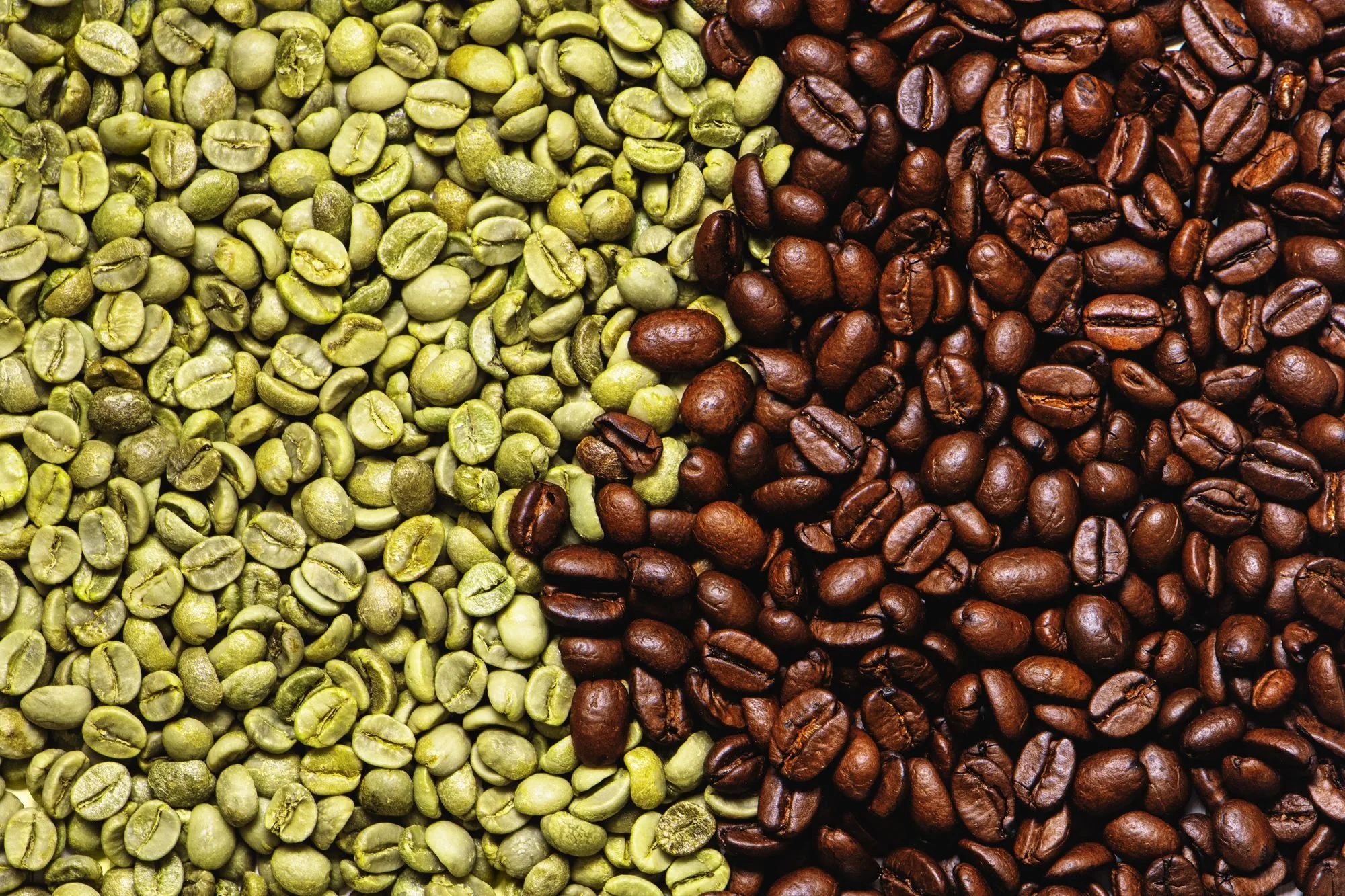
Same farm, same bean, same water. The only thing changing here is how long the coffee stayed in the drum after first crack. Click through and watch what trades against what.
Light
Dropped just after first crack
Caffeine barely moves across this whole scale. What changes is
Two questions
Tell us how you drink it.
The short way to a good first bag.
No wrong answers. This is about matching a roast to a routine, not grading your taste.
RION
The status line above is real. Rion is the first coffee out and its profile is locked. Honing is still in dial-in and Strata is in blend trials, and neither goes on the shelf until it earns it. If a recommendation and your own taste disagree, your taste wins. This is a starting point, not a verdict.
The part the label hides
Roast level is only one of four dials.
Two medium roasts can taste nothing alike. Where the coffee grew, the variety of the tree, and how the fruit was removed from the seed all sit upstream of the roaster and none of it shows up in the word "medium."
That is why our bags name the farm, the variety and the process, not just a roast colour. It is the difference between a spec sheet and a paint chip.
Origin
Altitude, soil and climate. High grown coffee ripens slowly, develops more sugar and more acid, and holds structure through the roast.
Variety
Bourbon, Caturra, Pacas, Gesha. Different trees carry genuinely different flavour potential, the same way apple varieties do.
Process
Washed, natural or honey. How the fruit was stripped off the seed decides how much of the cherry ends up in your cup.
Roast
The only one we control. Our job is to not waste the other three.
Brewing
Grind is the other half of the answer.
Most "bad coffee" is a grind problem, not a bean problem. Bitter usually means ground too fine or brewed too long. Thin and sour usually means too coarse or too fast.
Whole bean is not snobbery, it is chemistry. Grinding multiplies the surface area exposed to oxygen by a large factor, which is why pre ground coffee loses its aromatics in days rather than weeks. See why roast date matters.


Rion is first out the door.
Roasted to order and dated, the day it is roasted. Get on the list and you will know when it is bagged.